
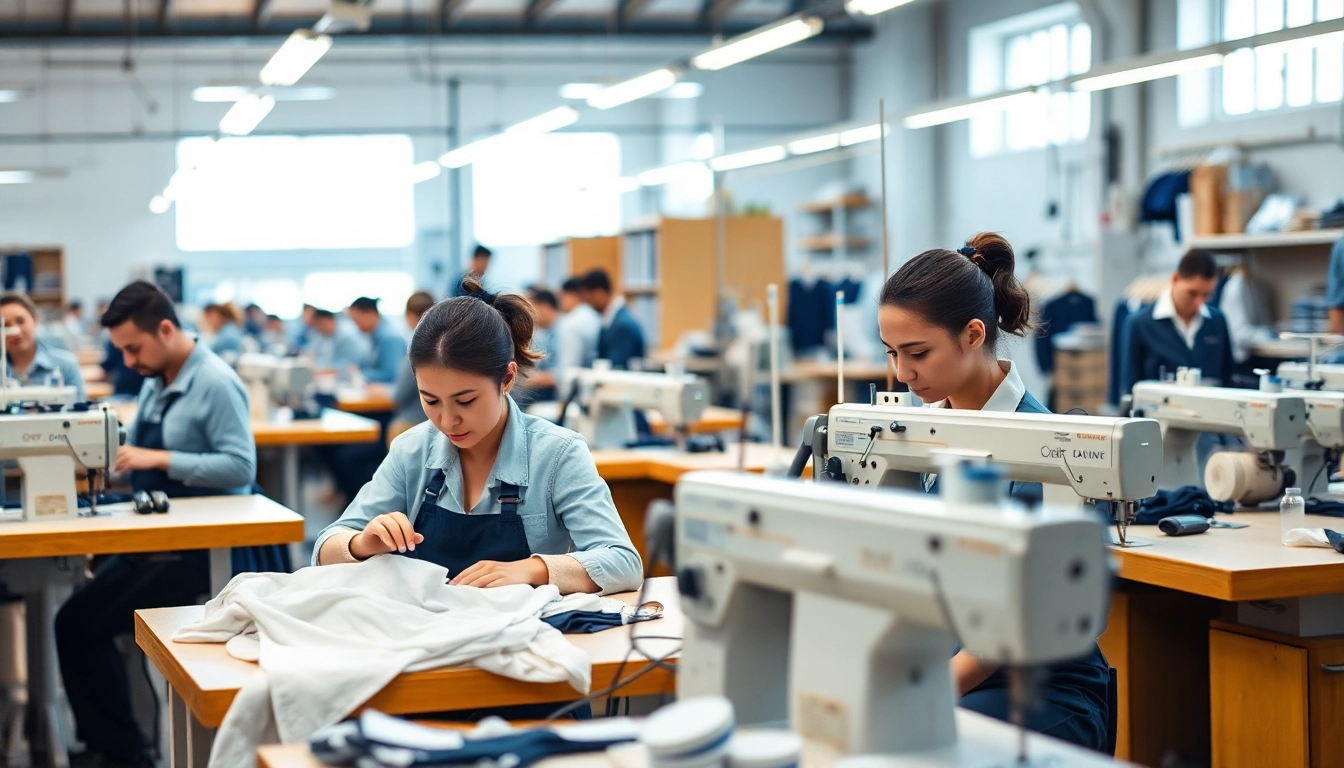
Understanding the Role of Clothing Manufacturing Companies
The clothing manufacturing industry plays an essential role in the global economy, providing various services that cater to apparel brands and designers. From conceptualizing designs to the actual production and distribution of garments, Clothing Manufacturing Companies are integral to the fashion supply chain. As the demand for both diversity and quality in clothing increases, so do the complexities of the manufacturing processes involved.
Overview of Clothing Manufacturing Processes
The clothing manufacturing process involves several distinct phases. It begins with design—where the creative aspects of apparel take shape, including sketching, fabric selection, and technical specifications. Next, the sampling phase allows brands to create prototypes, giving them a tangible item to evaluate before proceeding to full production. Once approved, bulk production follows, utilizing both manual labor and automated processes to produce garments efficiently.
The manufacturing process can vary significantly depending on the type of garment and the complexity involved. Cutting, sewing, finishing, and quality control are the key steps in transforming fabric into finished products. Each of these phases requires careful management to ensure adherence to timelines and quality standards.
Key Players in the Clothing Manufacturing Industry
In the clothing manufacturing landscape, several key players contribute to the supply chain’s effectiveness. These include fabric suppliers, apparel manufacturers, and logistics providers. Material suppliers provide the necessary textiles, while apparel manufacturers oversee the production process. Logistics companies ensure that finished products reach their destination promptly, adding another layer to the complex network of clothing production.
Furthermore, brands and retailers play a critical role as consumers and marketers of these products. A collaborative approach between all players is essential for ensuring quality products reach the market efficiently.
Significance of Sustainable Practices in Manufacturing
Sustainability has become a primary focus in the clothing manufacturing sector. With growing awareness of environmental issues, companies are under increasing pressure to adopt sustainable practices. This includes sourcing eco-friendly materials, implementing waste reduction strategies, and utilizing energy-efficient production methods. Sustainable practices not only benefit the environment but also resonate with consumers who prefer brands that align with their values.
Additionally, companies that embrace sustainability often see long-term cost savings and brand loyalty as consumers become more conscious of their purchasing decisions. It is, therefore, vital for modern clothing manufacturing companies to integrate sustainability into their core operations.
Challenges Faced by Clothing Manufacturing Companies
Supply Chain Management Issues
Effective supply chain management is one of the most significant challenges in the clothing manufacturing industry. From raw material procurement to delivery of finished goods, any disruption can lead to delays, increased costs, and dissatisfaction among retailers and consumers alike. Factors such as geopolitical tensions, natural disasters, and global pandemics can impact the availability of materials and logistics, causing ripples throughout the supply chain.
Companies must adopt robust supply chain strategies that prioritize flexibility and responsiveness. Building strong relationships with suppliers and maintaining effective communication can aid in navigating these challenges.
Labor Shortages and Skills Gap
A major challenge in the clothing manufacturing industry today is the shortage of skilled labor. Many manufacturers struggle to find workers who possess the necessary skills in sewing, pattern-making, and quality control. This skills gap is exacerbated by an aging workforce, as many experienced workers retire without a sufficient influx of younger professionals.
To address this issue, companies need to invest in training programs that upskill existing workers and attract new talent. Partnerships with educational institutions can also foster interest in apparel careers, helping to mitigate the skills gap over time.
Adapting to Market Trends and Consumer Preferences
The fashion industry is notoriously fast-paced, with trends changing rapidly based on consumer preferences. Clothing manufacturing companies must remain agile to keep up with these shifts. The inability to adapt design and production processes quickly can lead to missed opportunities and inventory issues.
To thrive, companies should employ data analytics to better understand current market trends and consumer behaviors. This information can guide product development and inventory decisions, ensuring that offerings align with what consumers are actively seeking.
Best Practices in Clothing Manufacturing
Implementing Lean Manufacturing Techniques
Lean manufacturing techniques focus on waste minimization while maximizing productivity. Clothing manufacturing companies can adopt these principles to streamline processes, reduce costs, and improve quality. By systematically analyzing the production process for inefficiencies—such as excessive movement or overproduction—companies can develop strategies that enhance overall operational efficacy.
Implementing Kanban systems, for example, can aid in inventory management and workflow optimization, providing real-time data that helps direct manpower and materials where they’re needed most.
Quality Control Strategies for Apparel Production
Quality control is paramount in the clothing manufacturing industry. Companies must adopt robust quality assurance processes to ensure that their products meet both industry standards and customer expectations. Regular inspections and testing throughout the manufacturing process can help identify defects early, reducing waste and enhancing customer satisfaction.
Moreover, incorporating feedback loops from customers and retailers can inform quality improvement initiatives. Continuous refinement of quality protocols helps maintain a competitive edge in an increasingly discerning marketplace.
Technology Integration in Manufacturing Processes
Technology plays a pivotal role in modern clothing manufacturing. Automation, machine learning, and data analytics can significantly enhance efficiency and accuracy in production. For instance, garments can be designed using computer-aided design (CAD) programs, allowing for rapid prototyping and adjustments based on real-time data.
Additionally, implementing software solutions that manage inventory and supply chain logistics can streamline operations and reduce costs associated with overstock or understock scenarios. Embracing technology leads to higher productivity, better quality products, and greater consumer satisfaction.
The Future of Clothing Manufacturing Companies
Trends Influencing the Industry Landscape
As the global market continues to evolve, several trends are shaping the future of clothing manufacturing. Among these are the rise of digital fashion, an increase in customization, and the shift toward on-demand manufacturing. These trends reflect changing consumer behaviors that favor personalization and instant gratification.
Clothing manufacturing companies need to remain vigilant in tracking these trends through market research and adaptable business strategies that allow them to pivot quickly.
Impact of E-commerce on Manufacturing Models
The growth of e-commerce has drastically changed how clothing manufacturing companies operate. Traditional season-based collections are giving way to more responsive, on-demand production that aligns with consumer purchasing patterns. This evolution has compelled manufacturers to enhance their logistics capabilities, ensuring the ability to fulfill orders more quickly.
By integrating e-commerce strategies with manufacturing processes, companies can create a more cohesive approach to inventory management and customer service, leading to increased sales and brand loyalty.
Sustainable Innovation and Its Prospects
The future of clothing manufacturing is inextricably linked to sustainability. Innovations in biodegradable materials, recycling processes, and water-saving dyeing technologies represent exciting opportunities for manufacturers looking to lead in sustainability. As consumers increasingly prioritize environmental impact in their purchases, manufacturers that innovate sustainably will likely gain a competitive advantage.
Continual investment in research and development to create sustainable practices not only addresses consumer demand but also prepares companies for future regulations that may be implemented for environmental protection.
FAQs about Clothing Manufacturing Companies
What are the primary services provided by clothing manufacturing companies?
Clothing manufacturing companies typically offer design, production, quality control, and distribution services for apparel brands.
How do clothing manufacturing companies ensure quality control?
Quality control is ensured through rigorous testing, adherence to industry standards, and continuous monitoring throughout the production process.
What role does technology play in clothing manufacturing?
Technology enhances efficiency in design, production automation, inventory management, and data analytics, allowing companies to respond rapidly to market demands.
Why is sustainability important for clothing manufacturing?
Sustainability reduces environmental impact, addresses consumer demand for eco-friendly products, and can lead to cost savings through efficient practices.
What factors influence the cost of clothing manufacturing?
Factors include material costs, labor, production scale, technology investments, and compliance with regulations impacting pricing strategies.