Understanding Custom Cabinet Options
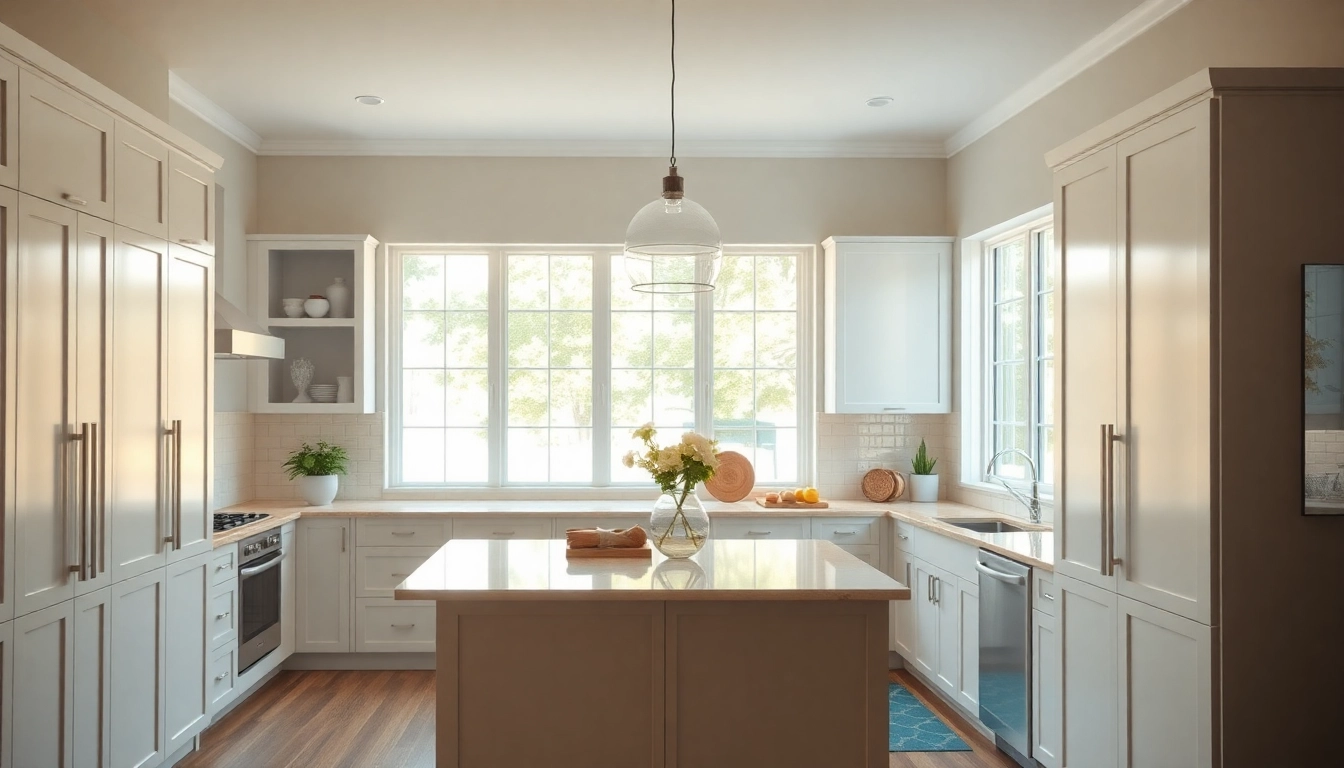
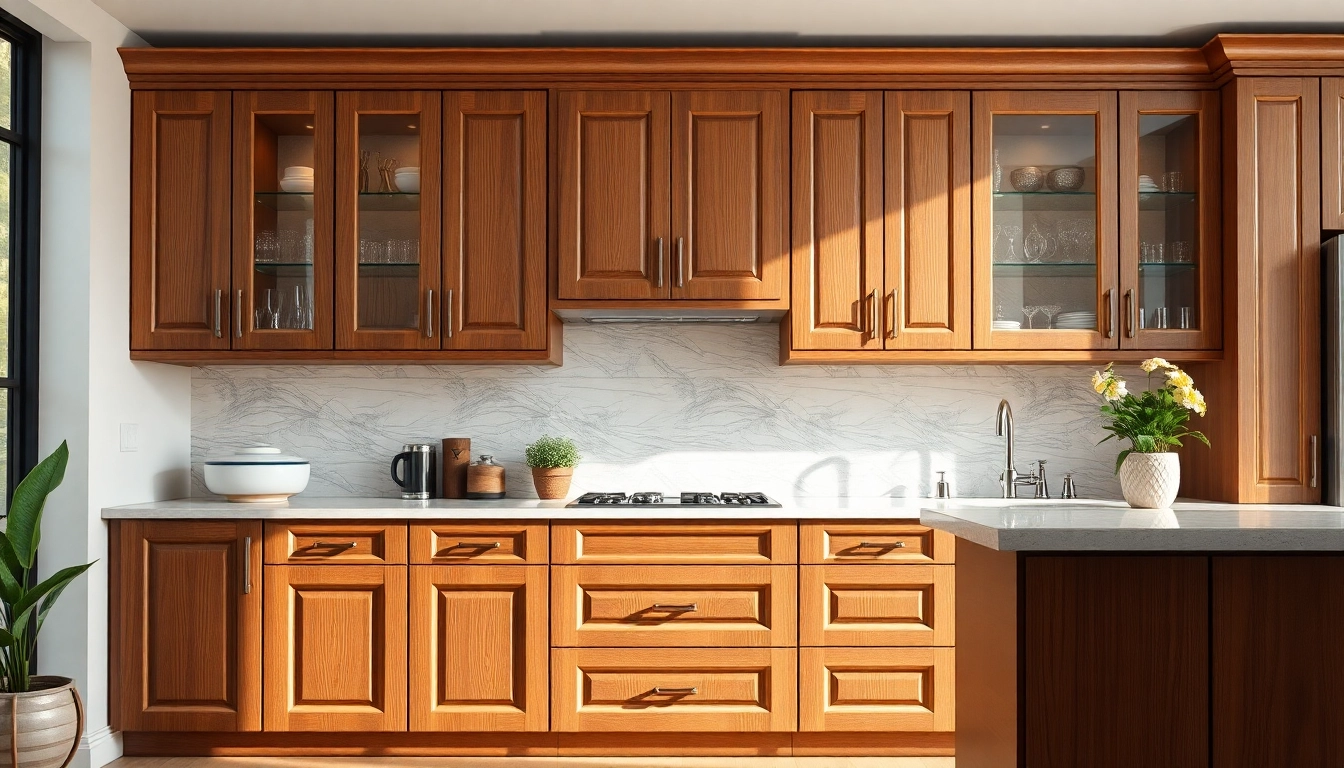
When it comes to enhancing the aesthetic appeal and functionality of your home, investing in custom cabinet solutions can be a game-changer. Custom cabinets offer tailor-made options that cater specifically to your space and design preferences. In this section, we’ll delve into various styles, materials, and the comprehensive benefits of choosing custom cabinetry.
Different Styles of Custom Cabinets
Custom cabinets come in an array of styles that cater to different tastes and interior design themes. Here are some popular styles:
- Traditional Cabinets: Characterized by ornate details, intricate moldings, and rich finishes, traditional cabinets offer a timeless look.
- Modern Cabinets: Featuring sleek lines and minimal hardware, modern cabinets often use unique materials like glass and metal, presenting a clean aesthetic.
- Shaker Cabinets: Known for their simple, clean lines, Shaker-style cabinets are versatile and can blend seamlessly with both traditional and contemporary designs.
- Rustic Cabinets: Emphasizing natural wood textures and rugged finishes, rustic cabinets bring warmth and a charming aesthetic to any room.
- Transitional Cabinets: This style merges traditional and modern elements, allowing for flexibility and compatibility with various decor styles.
Materials Used for Custom Cabinets
The choice of material is fundamental to the durability and visual appeal of custom cabinets. Common materials include:
- Wood: Solid wood is a classic choice known for its durability and natural aesthetics. Options include oak, maple, cherry, and walnut.
- Wood Veneer: Thin slices of wood adhered to a substrate provide the look of solid wood at a lower cost, making it a popular alternative.
- Plywood: Strong and resistant to warping, plywood is a reliable option that can be used for cabinet frames and shelving.
- MDF (Medium Density Fiberboard): This engineered wood product is versatile and smooth, making it an excellent choice for painted finishes.
- Particleboard: Often used in budget cabinets, particleboard is a composite material made from wood chips and glue. It is less durable but cost-effective.
Benefits of Choosing Custom Cabinets
Investing in custom cabinets has numerous advantages, including:
- Tailored Design: Custom cabinets are designed to fit your specific space, ensuring every nook and cranny is utilized efficiently.
- Quality Craftsmanship: With custom cabinetry, you can expect superior craftsmanship that often surpasses pre-manufactured alternatives.
- Endless Customization: From material choice to hardware and finishes, custom options allow you to create a look that reflects your personal style.
- Enhanced Functionality: Features like adjustable shelves, pull-out drawers, and integrated storage solutions can significantly enhance workspace functionality.
- Increased Home Value: Well-designed custom cabinets can elevate the overall value of your home, making it more appealing to potential buyers.
Evaluating Your Space for Custom Cabinetry
Before diving into the world of custom cabinets, evaluating your space is crucial for achieving the best results. This section will discuss the importance of measuring, key design considerations, and how to maximize storage.
Measuring Your Kitchen or Room
Accurate measurements are vital in ensuring that your custom cabinets fit perfectly in your designated space. Here are steps to guide you:
- Gather Tools: You will need a measuring tape, a notepad, and a pencil to jot down dimensions.
- Measure Width and Height: Measure the height from the floor to the ceiling and the width of the wall where the cabinets will reside.
- Check Depth: Standard depth for cabinetry is typically 24 inches for base cabinets and 12 inches for wall cabinets, but you may choose to customize these based on your needs.
- Account for Fixtures: Be sure to measure around appliances, windows, and electrical outlets to ensure your design incorporates these elements effectively.
Design Considerations for Custom Cabinets
Designing custom cabinets requires careful consideration and planning. Focus on:
- Style Harmony: The cabinets should complement your home’s overall decor style to create a cohesive look.
- Functionality: Think about how you will use the cabinet space. Will you need more shelves or drawers?
- Lighting: Proper lighting enhances the beauty of your cabinets, so consider built-in lighting or how natural light affects them.
- Color Palette: Choose colors that harmonize with your existing walls and floors, enhancing the aesthetic appeal.
Maximizing Storage with Custom Cabinets
One of the primary benefits of custom cabinetry is the ability to integrate intelligent storage solutions. Consider the following tips:
- Pull-Out Drawers: Install deep drawers for pots and pans to keep them organized and easily accessible.
- Lazy Susans: These rotating trays in corner cabinets make it easier to access items without stretching.
- Built-In Dividers: Organize utensils and kitchen tools with compartmentalized drawer organizers.
- Vertical Storage: Use tall cabinets that take advantage of vertical space, contributing to a cleaner look.
- Open Shelving: Combine cabinet styles with open shelving for displaying decorative items while functionally using storage.
Choosing the Right Finish and Hardware
The finish and hardware you select for your custom cabinets can dramatically affect their appearance and functionality. This section explores various finishes and hardware options to optimize your design.
Types of Cabinet Finishes
When it comes to finishes, you have a myriad of options that can enhance both durability and aesthetics:
- Painted Finishes: A wide range of colors allows customization, while modern paints often come with protective qualities.
- Stained Finishes: Stains enhance the natural beauty of wood and add color without masking the wood grain.
- Glazed Finishes: They provide a translucent layer that adds depth and complexity to the cabinet surface.
- Varnished Finishes: Varnishes create a hard protective coating, ensuring durability against wear and water.
- Oil Finishes: Oil treatments offer a natural look but may require more frequent application to maintain their appearance.
Selecting Hardware for Optimal Functionality
Hardware not only serves a functional purpose but also can act as a decorative feature. Consider these types:
- Handles and Knobs: Choose hardware that complements your cabinet’s style, whether modern, traditional, or rustic.
- Soft-Close Hinges: These hinges allow doors to close gently, preventing noise and wear.
- Pull-Out Systems: Incorporate pull-out shelves or baskets for additional convenience and accessibility.
- Magnetic Catches: These can replace traditional latches and enhance the sleek look of cabinets.
- Drawer Slides: Opt for high-quality slides that provide smooth operation and support heavy loads.
Color Schemes and Custom Cabinet Design
Selecting an appropriate color scheme is essential for achieving a well-integrated look. Here are tips for harmonizing cabinet colors with your space:
- Neutral Tones: Whites, greys, and beiges can create a calm backdrop while allowing colorful accents.
- Bold Colors: Deep blues, greens, or blacks can make a statement and add a focal point to your space.
- Two-Tone Cabinets: Combining contrasting colors or finishes can delineate sections within the kitchen or room.
- Accent Colors: Use drawers or certain cabinet sections in a different color to add visual interest.
- Consistency: Ensure that the colors coordinate well with other elements in the room, such as countertops, flooring, and wall paint.
Working with a Custom Cabinet Maker
Building your dream cabinets involves collaborating with skilled artisans. This section covers what to expect when working with a custom cabinet maker.
Questions to Ask Your Cabinet Maker
Engaging in a dialogue with your cabinet maker can clarify your vision and ensure that your needs are met. Consider these questions:
- What is your experience with custom cabinetry projects?
- Can you provide references or past project examples?
- What materials do you recommend for my intended design?
- What is the expected timeline for completion?
- How do you handle any potential issues that may arise during the process?
Understanding the Custom Cabinet Design Process
The design process typically includes several stages:
- Initial Consultation: Discuss your needs, style preferences, and budget with the cabinet maker.
- Design Planning: Collaborate on design sketches and 3D models to visualize the cabinets.
- Material Selection: Choose from available materials, finishes, and hardware options.
- Fabrication: Cabinets are built according to the agreed designs and specifications.
- Installation: The finished cabinets are carefully installed in your space.
Timeline and Budgeting for Your Custom Cabinet Project
Understanding the budget and timeline is essential for a successful project. Factors affecting these include:
- Design Complexity: Unique designs may require more time and resources.
- Material Choices: High-quality materials typically increase project costs.
- Seasonal Demand: Busy seasons may result in longer lead times for custom projects.
- Installation Time: Schedule consideration is necessary to coordinate trades and ensure a smooth installation process.
Maintenance and Care for Your Custom Cabinet
Custom cabinets require regular maintenance to keep them looking factory-fresh. This section highlights essential cleaning techniques and preventative care tips.
Cleaning and Caring for Wood Cabinets
Proper care can ensure the longevity and beauty of your cabinets. Follow these guidelines:
- Regular Dusting: Use a soft cloth to remove dust and debris that can accumulate on surfaces.
- Gentle Cleaners: Avoid harsh chemicals; instead, use mild soap and water to clean cabinet surfaces.
- Dry Immediately: After cleaning, ensure you dry surfaces promptly to prevent any moisture damage.
- Periodic Polishing: Use furniture polish to protect the wood and maintain its natural shine.
- Preventative Care: Position your cabinets away from heat sources and direct sunlight to avoid warping and fading.
Avoiding Common Damage to Custom Cabinets
Taking preventative measures can protect your custom cabinets from damage:
- Watch for Water: Ensure that spills are cleaned promptly to prevent damage and warping.
- Limit Heavy Loads: Don’t overload shelves beyond their capacity to prevent sagging.
- Avoid Sharp Objects: Use cutting boards and trivets to prevent scratching surfaces.
- Use Soft-Close Mechanisms: These help protect against slamming doors and drawers, which can cause misalignments or breakage.
Upgrading Your Custom Cabinet Design Over Time
Custom cabinets can evolve with your needs. Here are ideas for upgrading:
- Change Hardware: Switching cabinet knobs and handles can refresh the look at a low cost.
- Add Lighting: Under-cabinet lighting can brighten spaces and highlight design elements.
- Repaint or Refinish: A new coat of paint or finish can dramatically alter the aesthetic without replacing units.
- Adjust Storage: Incorporate new organizers or features based on your changing requirements.
FAQs
What is a custom cabinet?
A custom cabinet is a tailor-made storage solution designed to fit specific dimensions and style preferences of a space.
How long does it take to build a custom cabinet?
Building a custom cabinet typically takes between four to eight weeks, depending on design complexity and material choice.
Can custom cabinets fit any kitchen size?
Yes, custom cabinets are designed specifically to fit any kitchen size, allowing for a perfect fit and utilization of available space.
What are the most popular materials for custom cabinets?
Popular materials include solid wood, plywood, MDF, and wood veneer, each offering unique aesthetics and durability.
How do I maintain my custom cabinet?
Regular dusting, gentle cleaning with mild solutions, and applying polish can help maintain your custom cabinets’ appearance and longevity.