
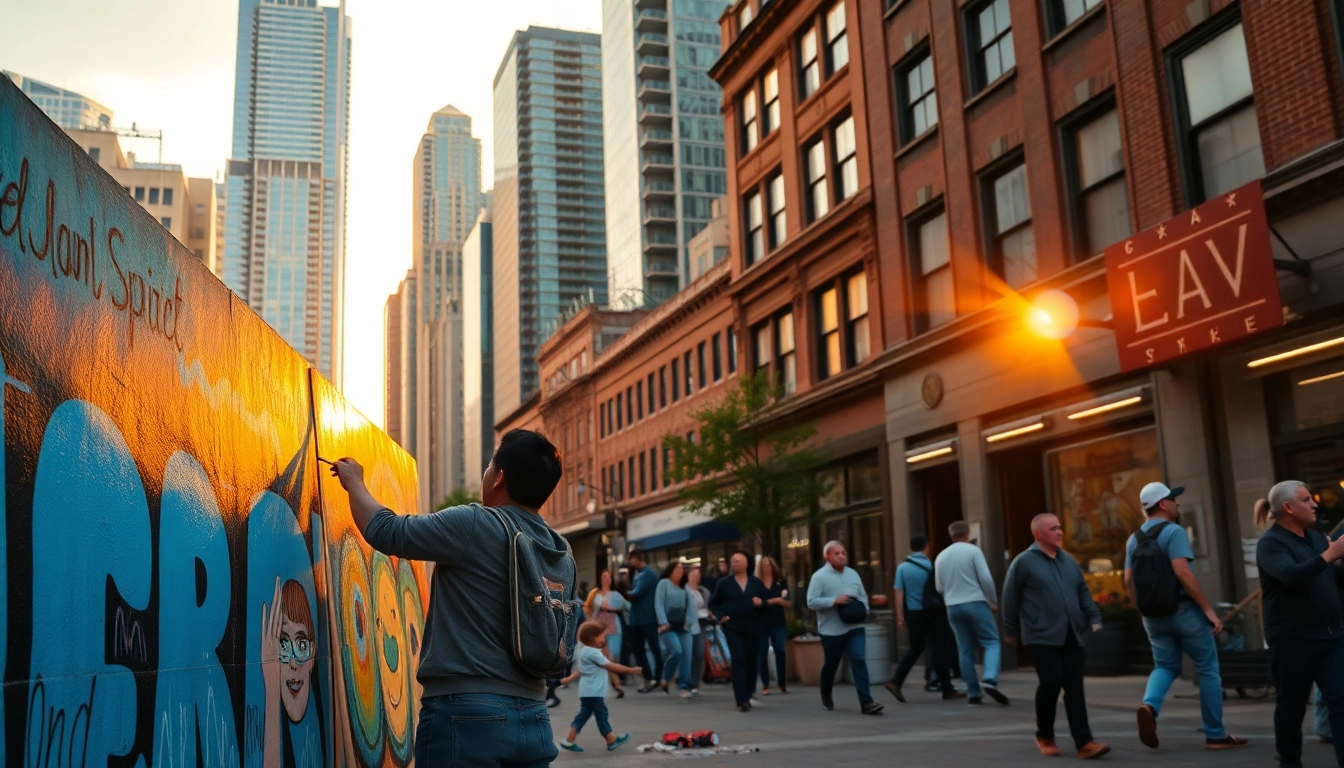

Introduction to Street Art Photography
Street art photography is a unique genre that allows individuals to capture the vibrant and evolving landscape of urban creativity. By melding art and documentary photography, it not only preserves fleeting works of genius on walls around the world but also tells the story of the communities they inhabit. Every mural, stencil, and graffiti composition offers a narrative that intertwines with cultural identity, social movements, and artistic expression.
To excel in street art photography, understanding its fundamental principles is essential. This article aims to guide aspiring photographers through the intricate process of capturing street art, discussing everything from equipment selection to showcasing your images. If you want to enhance your skills effectively, this definitive guide on How to achieve photographic excellence in street art will be invaluable.
Understanding the Basics of Street Art
Street art encompasses a range of artistic styles, from graffiti to large-scale murals. Recognizing these various forms is crucial for photographers who wish to delve into this genre. It’s important to understand what is considered street art, which differs from fine art as it resides in public spaces, often with the intent to engage a wider audience.
The culture surrounding street art is deeply connected to the passions, frustrations, and ambitions of the artists. Knowledge of local histories, communities, and their struggles can provide context that elevates your photographs beyond mere visuals, allowing one to capture the essence of a city in transition.
The Role of Photography in Documenting Culture
Photography acts as a time capsule, preserving moments that might otherwise go unnoticed. Capturing street art serves multiple purposes:
- Documentary Value: It chronicles the ebb and flow of urban creativity and can serve as proof of a city’s evolution over time.
- Social Commentary: Many street artists use their work to comment on social, political, and environmental issues. Your photographs can instill awareness and provoke thought.
- Artistic Collaboration: Engaging with local street artists can lead to collaborative projects that enrich both your work and the community’s creative atmosphere.
Benefits of Engaging with Local Artists
Connecting with local artists not only enhances your photography but also builds community rapport. Engaging with them can offer insights into the motivations behind their work, as well as the techniques they employ. Additionally, fostering relationships with these creatives can lead to exclusive access to new works and collaborative projects. This exchange of ideas can improve your understanding of street art’s intricate dynamics and make your photographs more profound and evocative.
How to Choose the Right Equipment for Street Art
Choosing the appropriate equipment is fundamental for photographing street art effectively. The right tools can elevate your creativity and provide you with the flexibility needed to capture urban scenes dynamically.
Essential Camera Gear for Beginners
For those new to street art photography, a good starting point is selecting a camera that balances quality with portability. DSLRs or mirrorless cameras typically offer the most versatility. Here are essential items for beginners:
- Camera: A DSLR or mirrorless camera with manual settings is ideal.
- Lens: A 24-70mm lens covers a range of focal lengths suitable for most urban scenes.
- Tripod: Lightweight and flexible for long exposure shots.
- Extra Batteries & Memory Cards: Always have spares to avoid missing spontaneous art.
Using Lenses Effectively in Urban Landscapes
Choosing the right lens can significantly impact your street art photography. A prime lens of 50mm can deliver sharp images and beautiful bokeh effects, while a wide-angle lens allows you to encompass larger murals or bustling scenes in one frame. Consider these approaches:
- Wide-Angle Lens: Ideal for capturing expansive murals or creating a sense of space.
- Zoom Lens: Useful for capturing details without intruding on the artist’s space or the composition.
- Macro Lens: Great for highlighting intricate details in smaller pieces or textures.
Understanding Lighting Conditions for Optimum Shots
Lighting is one of the most critical factors in photography, and street art photography is no exception. Early morning and late afternoon provide soft, flattering natural light, while overcast days can offer diffused lighting that minimizes harsh shadows. Pay attention to:
- Golden Hour: The period shortly after sunrise and before sunset yields the best lighting conditions.
- Night Photography: Use artificial light or longer exposure techniques for a dramatic effect on night artwork.
- Reflections and Shadows: Incorporate these elements to add depth to your photographs.
How to Capture Street Art in Unique Ways
Standing out in street art photography requires creativity and an understanding of composition and perspective. Experimenting with different techniques can yield impressive results.
Techniques for Composition and Framing
Effective composition enhances the storytelling aspect of your photographs. Utilize techniques such as the rule of thirds, leading lines, and framing to create engaging images. Here are several strategies:
- Rule of Thirds: Position important elements along the lines or at the intersections for balanced images.
- Leading Lines: Use roads, pathways, or architectural elements to draw the viewer’s eye towards the art.
- Framing: Create frames within your frame by including nearby objects, directing attention to the street art.
Using Perspective to Your Advantage
Exploring various viewpoints can result in striking and unexpected photographs. Here are ways to manipulate perspective:
- Low Angles: Shooting from a low angle accentuates the artwork and adds a heroic feel to the composition.
- High Angles: Aerial shots can offer intriguing context, particularly for large pieces or murals.
- Close-Up Shots: Emphasize details that viewers might overlook, showcasing the craft behind the art.
Experimenting with Angles and Depth
Experimenting with angles and depth can add a dynamic quality to your street art photography. Here are approaches to consider:
- Diagonal Lines: Use diagonal lines to create a sense of movement in your photos.
- Layering: Incorporate foreground elements to add depth and dimension to your compositions.
- Textures: Capture the textures of the artwork, enhancing the viewer’s experience.
How to Edit and Showcase Your Street Art Photos
Photography does not end when the shutter clicks; post-processing is essential to elevate your images. Editing allows you to adjust exposure, colors, and sharpness, ensuring your street art photos shine.
Best Editing Software for Photographers
Utilizing robust editing software can transform your photos. Consider these popular options:
- Adobe Lightroom: This is an excellent choice for beginner photographers, offering intuitive tools for organizing and editing images.
- Adobe Photoshop: Best suited for advanced editing techniques and fine-tuning.
- Darktable: An open-source alternative with powerful editing capabilities.
Following Photography Trends and Styles
Staying updated with current trends in street art photography can inspire creativity and keep your work relevant. Regularly explore online platforms and galleries to see emerging styles, and then apply aspects of those trends to your work. Incorporating these elements can help distinguish your photographs while resonating with contemporary audiences.
Creating an Online Portfolio to Share Your Work
Building an online portfolio is essential for showcasing your street art photography. A well-organized site not only displays your work beautifully but can also attract potential clients or collaborators. Consider these factors:
- Quality Over Quantity: Focus on presenting your strongest images.
- Organize by Themes: Categorize your photographs by themes or locations.
- Engage with Audiences: Include a blog or journal to share your experiences and connect with your audience.
Conclusion and Resources for Aspiring Photographers
Street art photography is a powerful way to engage with urban culture and artistic expression. By understanding the essential concepts presented in this guide, you can start capturing breathtaking images that convey deeper meanings. Continuous learning and practice will ultimately lead to improvement.
Joining Communities of Street Art Enthusiasts
Connecting with fellow street art photography enthusiasts can provide valuable resources, feedback, and opportunities. Research local clubs, forums, and social media groups dedicated to street art photography to become part of these communities.
Finding Workshops and Learning Opportunities
Seek out workshops or classes that focus on photography, particularly in urban settings. Many seasoned photographers host sessions teaching various skills, techniques, and insights that can improve your craftsmanship.
Ongoing Trends in Street Art Photography
Being aware of ongoing trends not only keeps your work fresh but also helps you identify new opportunities within the field. Urban decay, gentrification’s impact on art, and the use of technology in street art are just a few avenues to explore and capture in your photography.
Frequently Asked Questions
What is street art photography?
Street art photography captures visual arts created in public spaces, including murals, graffiti, and installations, often reflecting cultural and social issues.
How do I start in street art photography?
Begin by researching local street art scenes, investing in a DSLR or mirrorless camera, and practicing unique techniques such as composition and lighting.
What editing software should I use for street art photos?
Popular editing software includes Adobe Lightroom for beginners and Adobe Photoshop for advanced users. These tools can significantly enhance your images.
Are there workshops focused on street art photography?
Yes, many photography workshops focus on street art. They offer practical skills and insights, helping you refine your craft in urban settings.
Why engage with local street artists?
Engaging with local artists offers insights into their artistic intent, enhances your understanding of the works, and could lead to unique collaborative opportunities.